
Getting started
Terminology, general concept
In Sharp, we handle entities; an entity is simply a data structure which has a meaning in the application context. For instance, a Person, a Post or an Order. In the Eloquent world, for which Sharp is optimized, it's typically a Model — but it's not necessarily a 1-1 relationship, a Sharp entity can represent a portion of a Model, or several Models.
An instance of an entity is simply called an instance.
Each entity in Sharp can be displayed:
- in an
Entity List, which is the list of all theinstancesfor thisentity: with some configuration and code, the user can sort the data, add filters, pagination, and perform searches. From there we also gain access to applicativecommandsapplied either to any particularinstanceor to the whole (filtered) list, and to a simplestatechanger (the published state of an Article, for instance). All of that is described below. - In a
Show Page, optionally, to display aninstancedetails. - And in a
Form, either to update or create a newinstance.
Example
Let's take a simple example: we want to manage some shop, with 3 obvious entities: Order, Customer and Product.
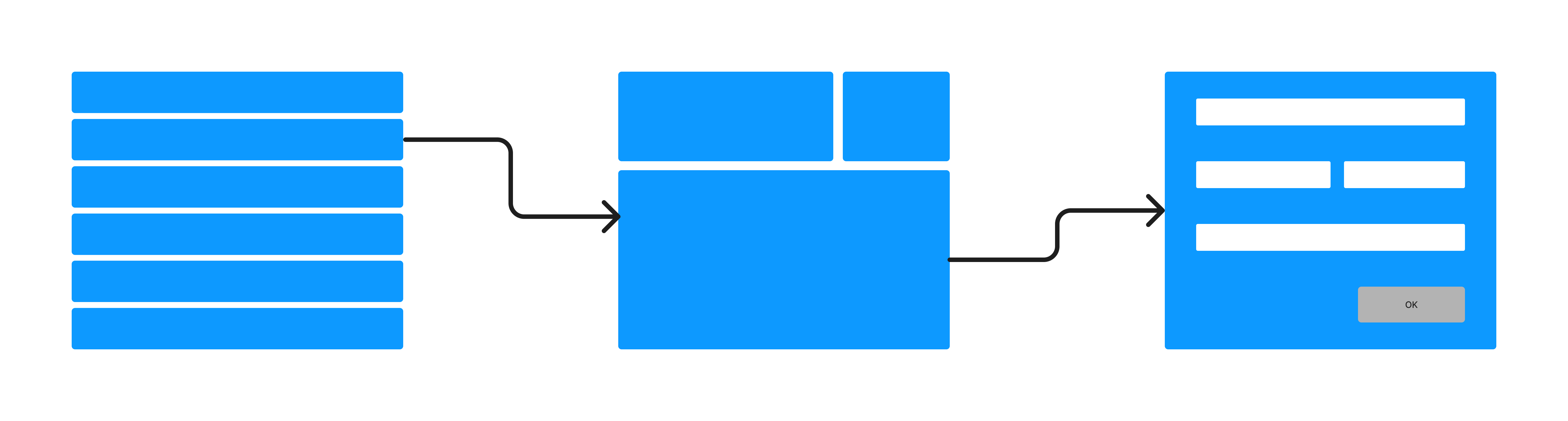
We want to be able to list all the customers, to display a detailed view for each of them, and to create or update a customer. That’s an Entity List linking to a Show Page, linking to a Form:
For products, we decide that we don't need to build a Show Page:
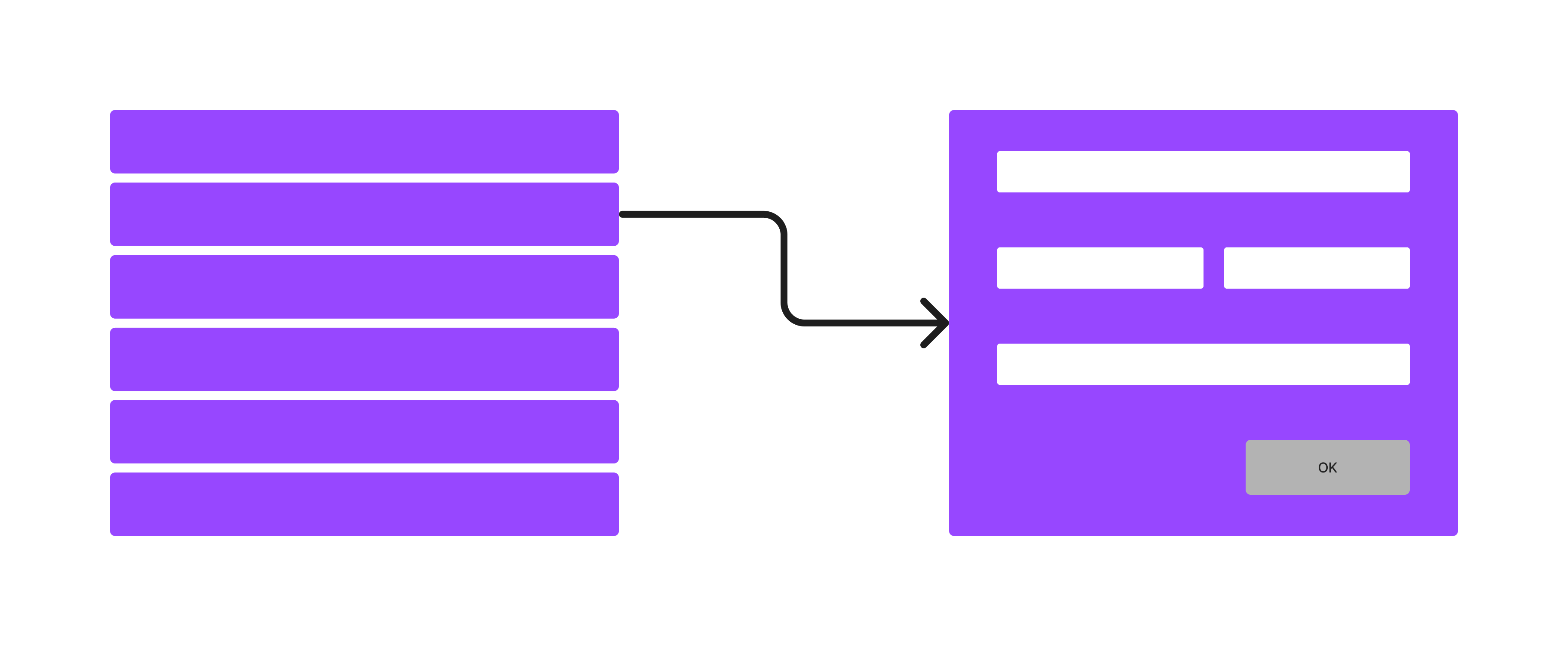
The product Entity List may have filters, sorting columns and search, and an Entity state to manage the published state of each product.
Finally, orders must be listed, detailed and updated, and we also need to manage the product list for each order. That's an Entity List linking to a Show Page which contains another Entity List:
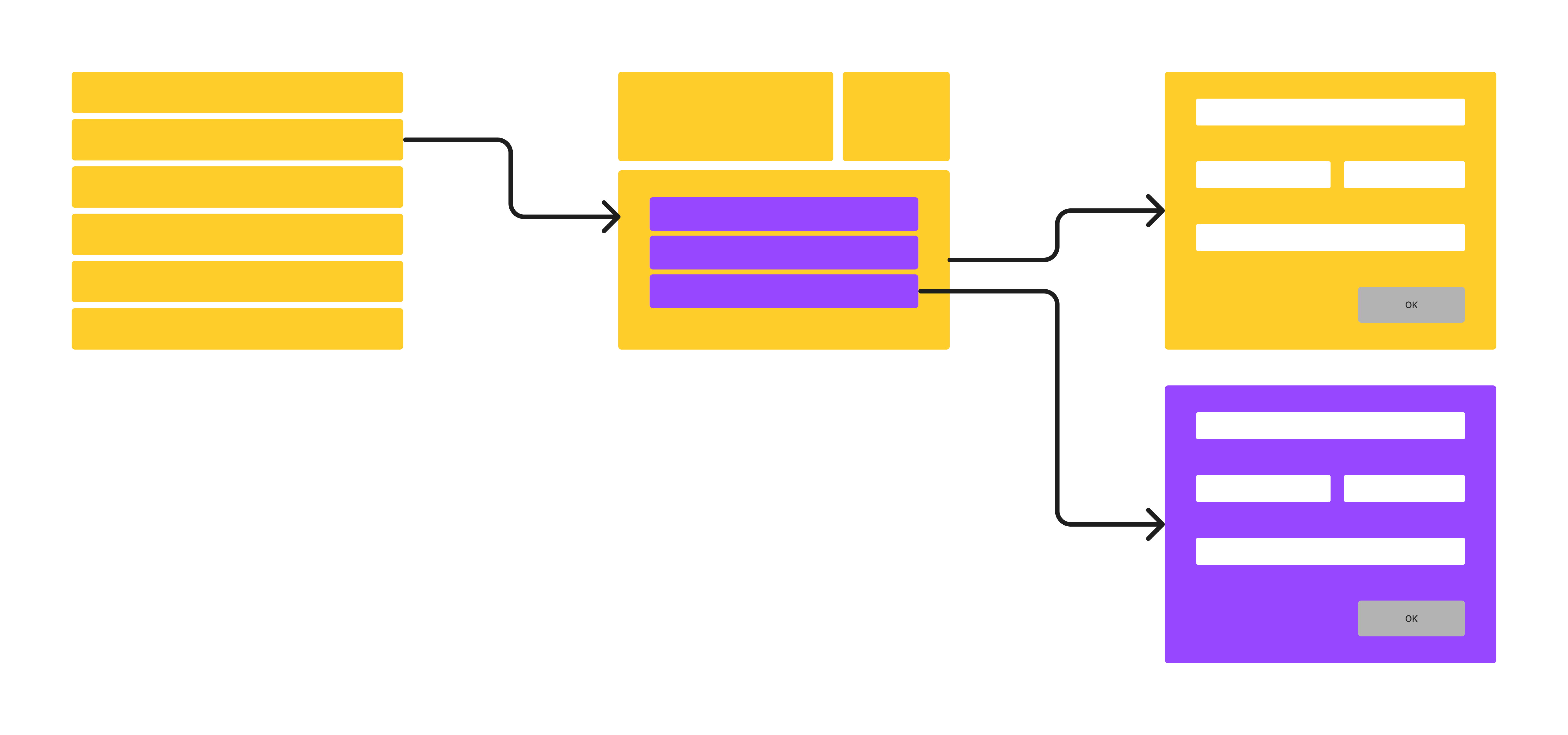
Maybe we can add an Entity Command to export orders in a CSV file in the Entity List, and an Instance command on the order Show Page to declare the order as shipped.
This is a simple example to illustrate the main concepts of Sharp: we'll see in this guide how to build such structures but also more complex ones, and how to manage states, commands, dashboards, authorizations, errors, validation... in the process.